Fall Flower Gardening: What to Plant Now for Spring
Brian Eden
Fall is the best-kept secret in the flower garden.
Fall is one of the best times to plant spring-flowering bulbs, establish or divide many perennials, sow certain hardy annuals and biennials, and add cool-season color like pansies and snapdragons. The exact timing depends on your climate, soil temperature, average first frost, and the specific plant.
It's that time of the year. The show's almost over. The dahlias have peaked. The zinnias are leggy and going to seed and frankly looking a little embarrassed about it.
The whole flower bed has the vibe of a party that's technically still happening but everyone has their coats on and is trying to edge closer and closer to the door despite the best efforts of the mums to keep the party going.
This is the point in the season where most gardeners start packing away the trowel and settling in to spend the next six months enjoying the garden from the comfort of the window.
I get the instinct. After months of weeding, pruning, staking and Chelsea-Chopping, this feels like the moment to call it a season.
But resist the urge for just a bit longer.
Right now, while everything seems like it's winding down, is actually the best time of the year for flower gardeners to start planting and make the biggest impact on next season's garden.
You spend an afternoon on your knees, digging little holes in the ground and hiding treasures like an oversized bald squirrel, and then six months later you get paid back in daffodils.
Fall is a leap of faith that asks you to do a whole bunch of work for a spring you can't see, and then completely forget that you did it, much to the delight of Future You.
If you grow vegetables too, there's a companion piece on the fall edible garden. This is the flower-lover's version. Here's what to get going:
| What to plant | Examples | When to plant (in fall) | What you get |
|---|---|---|---|
| Spring-flowering bulbs | Daffodils, tulips, crocus, hyacinth, alliums, snowdrops | Once the soil cools below ~60°F — roughly six weeks before the ground freezes | Spring bloom |
| Perennials (plant or divide) | Peonies, Siberian iris, daylilies, coneflower | 4–6 weeks before the ground freezes | Bigger, earlier blooms next year |
| Hardy annuals (fall-sow) | Larkspur, poppies, bachelor's buttons, nigella, calendula, sweet peas | In cool weather; sow very late — or wait for spring — where winters are cold | Earlier, stronger spring blooms |
| Biennials | Foxglove, hollyhock, sweet William | Early fall — they leaf out this year | Bloom the following year |
| Cool-season color | Pansies, violas, snapdragons, mums | Now, for instant color | Fall into a mild winter |
Timing adapted from Rutgers NJAES and University of Minnesota Extension; exact dates depend on your climate and the season.
When to plant spring-flowering bulbs in fall
If you do nothing else this fall, plant bulbs. The spring parade of blooms goes into the ground in autumn.
Daffodils, tulips, crocus, hyacinth, alliums, and snowdrops. Most bulbs need a long, cold nap underground before they'll bloom, and fall is when you tuck them in. They will not ask you for a bedtime story or a lullaby but that doesn't have to stop you.
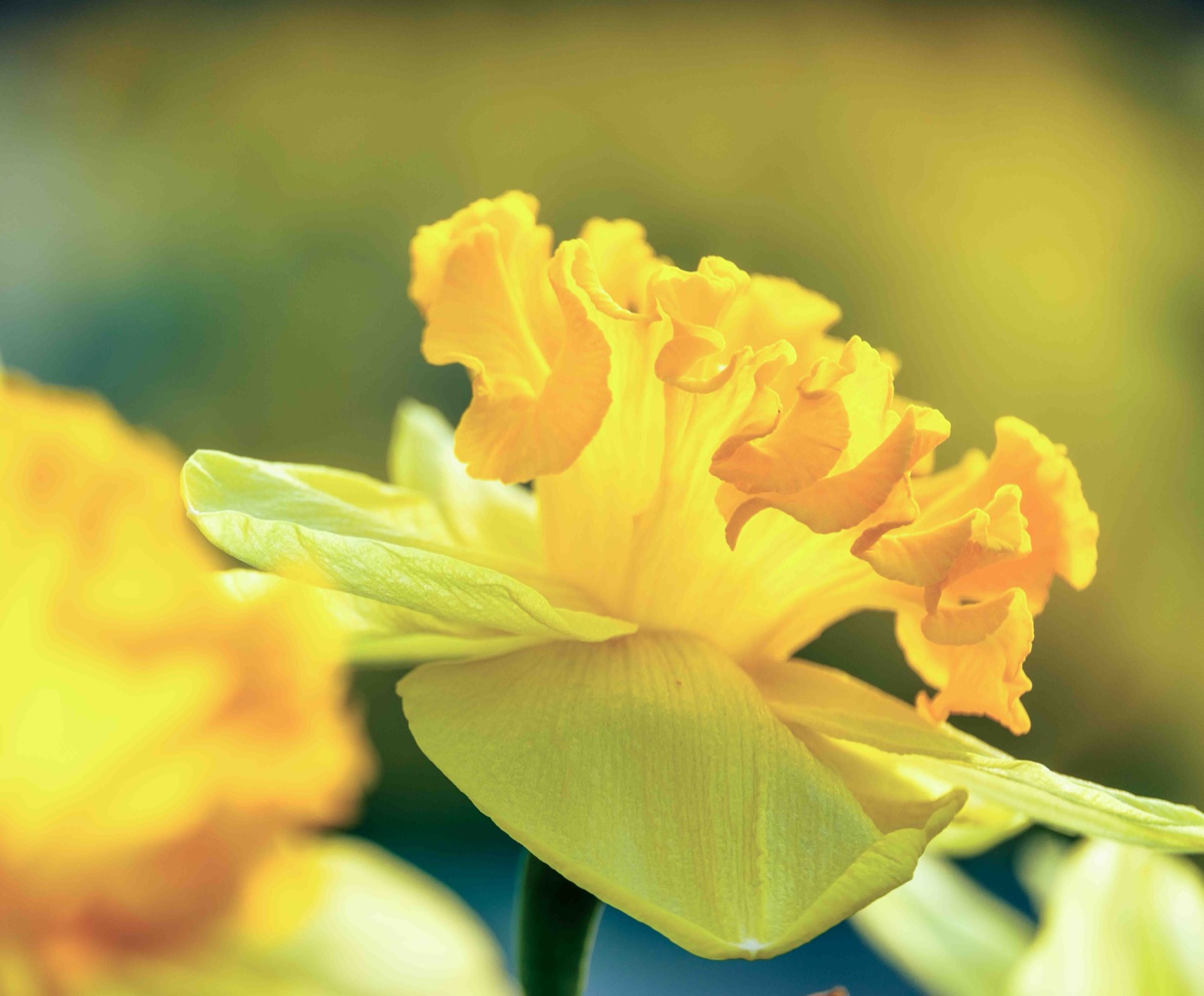
Once you've got your bulbs in the ground, they'll grow roots through autumn, then do essentially nothing all winter while looking, from above, like you've planted nothing but disappointment.
Take care to time the disappointment-planting right. There's a Goldilocks window when the soil has had some time to cool off, but not get too cold. Plant too early while the soil is still warm and some bulbs may sprout prematurely. Plant too late and they may not have enough time to establish roots before the ground freezes.
In warm-winter climates, tulips and hyacinths may need pre-chilling in the fridge before planting. Keep them away from ripening fruit, which releases ethylene gas that can damage developing flowers. Setting them carefully into an empty egg carton won't do anything for the bulbs but it's a good way to confuse your spouse.
But the real magic of bulbs isn't horticultural. It's that they vanish. You tuck them in. Leaves fall. Snow comes. And by February (unlike the actual squirrels) you forget everything about where you hid things in the soil.
Then spring shows up and hands it all back to you in blossoms like a gift from a past life when you were young and carefree and surrounded by decorative gourds.
Planting and dividing perennials in fall
Fall is also one of the best times to plant perennials. The air's cooling down, but the soil is still holding onto summer like the guy who insists on wearing shorts way beyond shorts weather.
That combination is exactly what a new perennial wants. Cool air means it isn't stressed or wilting or blowing its whole energy budget on leaves and flowers.
Warm soil means the roots have time to grow, right up until the ground finally gets too cold and that guy finally has to succumb to pants.
A perennial planted now spends the whole fall getting established, so when it wakes up in spring, it's ready to rock.
Fall is also one of the best times to divide many spring- and summer-blooming perennials. If there are any big clumps that have gotten out of control or any impolite plants who are staging a hostile takeover of their bed, you can just dig them up and split them with your shovel, hatchet or Hori Hori knife. I find that doing this while wearing your Halloween costume adds to the effect.
In colder regions, aim to divide them about four to six weeks before the ground freezes so the roots have time to establish.
Dividing your perennials in fall means more free plants. After they're split, just replant them. That way everyone's roots have time to settle in before winter so they can get a jump start on next season's hostile takeover.
Peonies in particular require some diplomacy. They prefer fall planting and dividing. But they're fussy about depth. For herbaceous peonies, keep the eyes only about an inch or two below the soil surface. Bury them too deep and they'll hold a grudge and refuse to bloom for years, which I respect.
If you live in a colder region, a very late division might not have time to root before the freeze, so give yourself some runway. When in doubt, sooner beats later to avoid ending up on your peonies' bad side.
Which flower seeds can you sow in fall?
There's a whole category of flower seeds that prefer to be sown in the fall.
In the right climate, fall-sow hardy annuals like larkspur, poppies, bachelor's buttons and nigella. They'll often pop up extra-early in spring and reward you with bigger, stronger, earlier-blooming plants. In colder regions, some are better sown very late so they sleep through winter instead of making an ill-advised November appearance, or simply saved for early spring. Calendula can handle cool conditions too, and in milder climates you can fall-sow sweet peas for an early spring show.
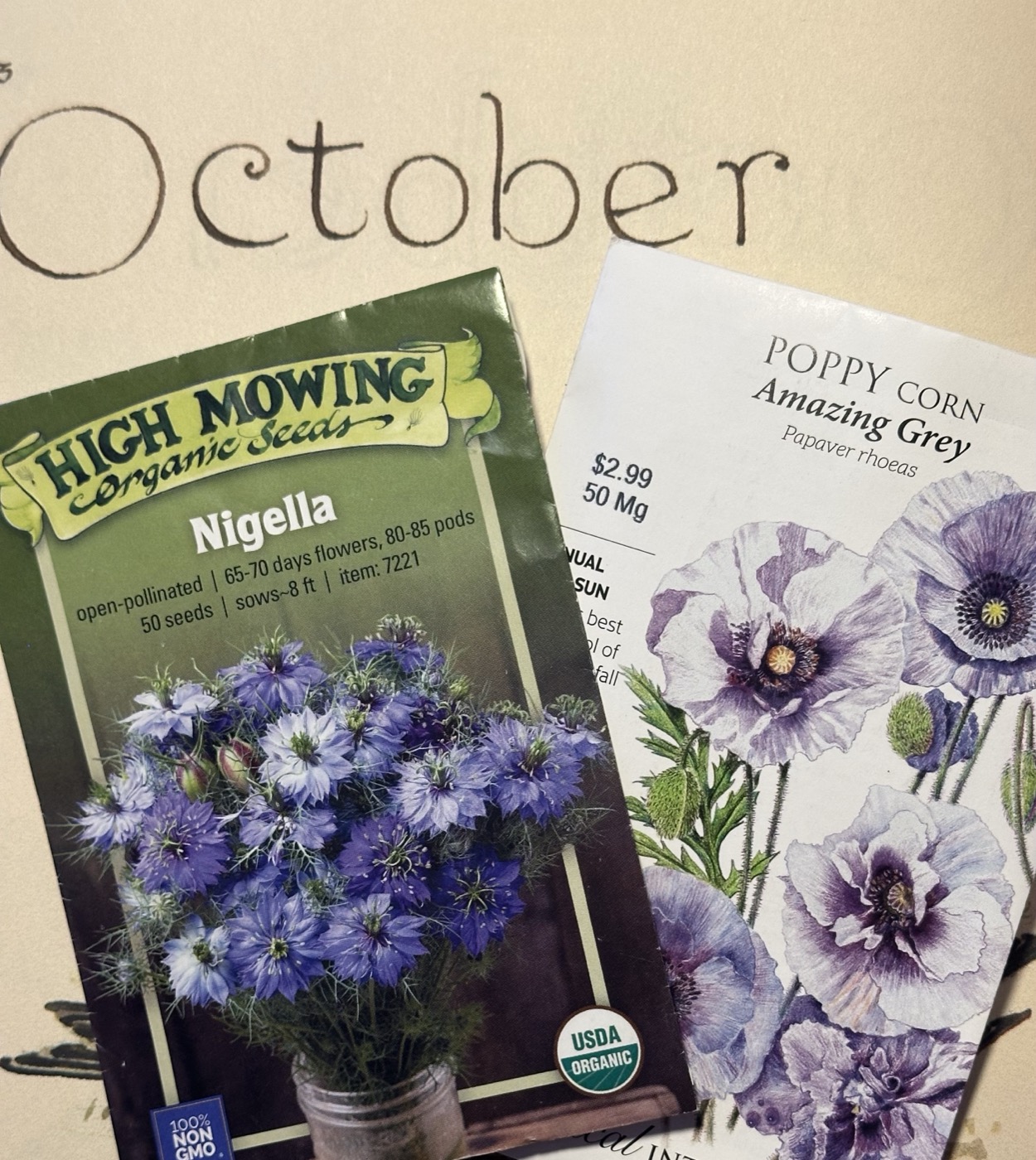
Biennials live on a two-year clock. The clock starts in fall. For foxglove, hollyhock, and sweet William, plant them now, and they spend this year growing leaves and next year erupting into bloom. It's the longest game in the flower garden, and one of the most rewarding because you have to wait for it.
Flowers you can plant for fall color
Not everything in the fall flower garden is about delayed gratification. Pansies and violas don't mind a bit of frost and will often bloom straight through a mild winter, wearing shorts the whole way through.
Snapdragons prefer cooler weather too. And the ubiquitous mums are obligatory companions to your porch pumpkins.
When should you plant a fall flower garden?
You'll notice I haven't given you a single date. That's not an oversight. It all depends on where you live.
Every fall garden job hinges on when your specific garden gets cold enough. Bulbs want soil that's cooled but not frozen. Perennials want time to establish roots before the freeze. Hardy seeds want to be sown late enough to chill or they'll sprout early and freak out.
A gardener in Minnesota and a gardener in Southern England are on completely different calendars.
So if you see an article on the internet that tells you now's the time to plant your bulbs, take it with the healthy skepticism of a peony. The timing depends. On your zone. On your first frost. On what the weather is actually doing this year, as opposed to whatever it did in whatever year the article was written.
You don't want to plant your stuff based on a national average. You want to plant your stuff based on what's going on with the weather in your own yard.
Where Percy comes in
Percy is a garden journal, garden planner, and personalized gardening assistant that can help time fall flower planting for your actual garden.
It uses your location, growing zone, frost timing, and garden history to answer questions like "When should I plant tulips?" or "Is it too late to divide this iris?," or "How do I make amends with the peonies?"
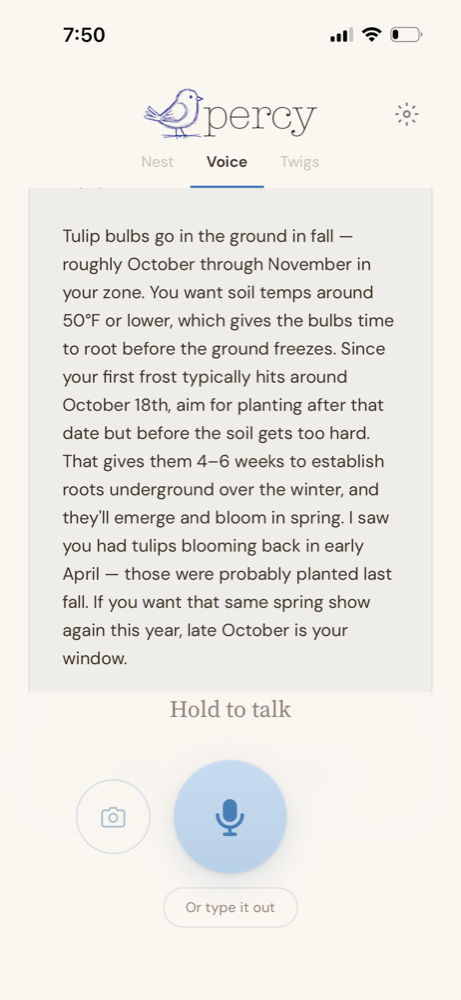
Percy helps you get the timing right because it grounds the answer in your real weather, not the internet's average one.
The second is the one your bulbs desperately need: memory.
Tell Percy what you hid underground and where you hid it, and Percy holds onto all of it. Long after you've forgotten you have bulbs, a shovel, or a garden.
So in spring, when the green tips start pushing up, you're not standing there squinting and guessing. You know exactly what flowers and varieties are coming, where you put them, and that you have a version of yourself back with the October gourds to thank for it.
From here, the perennials will just keep going and so will the memory. Next fall, you're not starting from a blank page and a vague sense that the tulips "did okay." You're starting from your own garden's actual memory, which by then is a season longer than it used to be and hopefully long enough for the peonies to forgive.
So grab a shovel. The flower garden looks like it's winding down, but it's actually just gone underground. Everything you plant now is a fabulous gift to spring, sent by a person who will, in a turkey-induced bout of seasonal amnesia, completely forget sending it.
Go send it anyway, while the soil's still warm, the costume is on and the neighbors are confused.
A note from Percy
Percy is the garden journal that remembers, so you can enjoy your garden. It's also a planner and a personalized assistant, and you just talk to it. Tell it what you planted, where you planted it, and what you want to remember for spring. Percy keeps the record, helps with timing, and reminds you what comes next.
Free for your first season. No credit card.