Native Plant Guides · New York
New York native plants, and the invasives to kick out
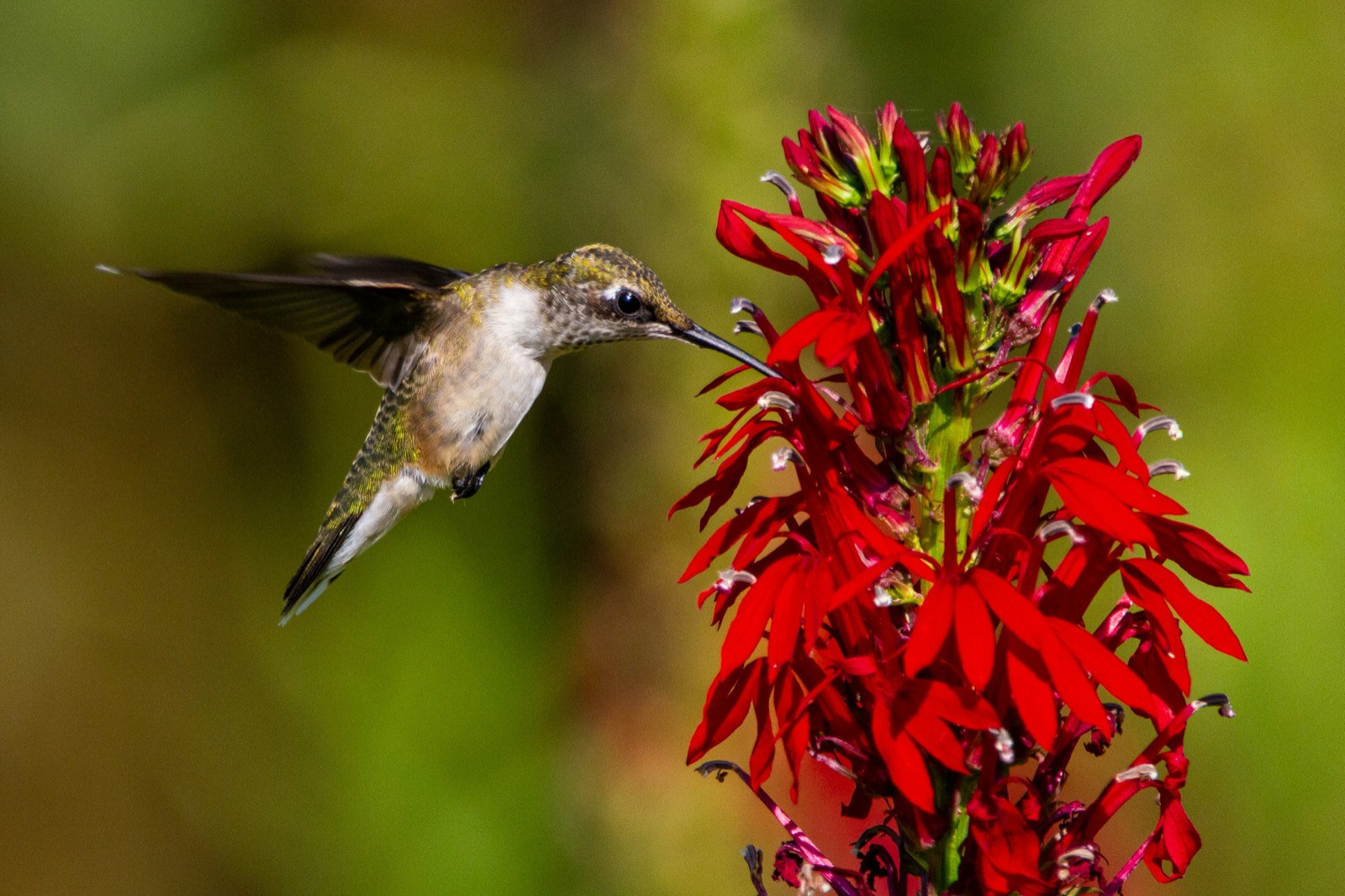
Native plants and local wildlife evolved together here for thousands of years, since long before anyone complained about the rent or the L train. Your neighborhood bugs, birds and critters depend on native New York plants for food, shelter, and as vital hosts that help them make more bugs, birds and critters.
As a gardener, one of the most important things you can do to help local wildlife is to grow the native plants in your garden that support them.
But not every plant helps. There are some aggressive invasives that can do serious damage.
The difference between the two is knowing which plant you're looking at, and whether it belongs here in New York or whether it's the botanical equivalent of a Red Sox fan.
A native in one place is a transplant in another. And some transplants turn into serious ecological bullies. They move in, take over the whole block, and never leave.
Which means the question of "is this a good plant?" always depends on a second question: good where? For New York gardeners, from a Finger Lakes flower bed to a Buffalo backyard to a Brooklyn fire escape with ambitions, here's the starting point: the native plants worth planting on purpose, and the aggressive spreaders worth evicting.
Good native plants for New York gardens include swamp milkweed, wild bergamot, cardinal flower, woodland phlox, white turtlehead, serviceberry, witch hazel, spicebush, sugar maple, and white oak. New York also has invasive plants gardeners should avoid spreading, including Oriental bittersweet, Japanese knotweed, garlic mustard, multiflora rose, Japanese barberry, and Japanese stiltgrass. The best native choice still depends on where in New York you garden and the conditions in your yard.
Every native on this page was checked against the New York Flora Atlas, the New York Flora Association's record of which plants are native to the state.
New to this? Start with what “native” actually means — the same plant can belong in one place and cause harm in another.
New York natives worth planting
These are just some of the plants that have evolved alongside New York's bees, butterflies, and birds. When you plant them in your garden, you're helping support an entire ecosystem.
| If you want… | New York natives to consider |
|---|---|
| Pollinators | Oxeye sunflower, butterfly weed, wild bergamot, blue vervain |
| Hummingbirds | Cardinal flower, wild columbine |
| Shade | Woodland phlox, spicebush |
| Wet soil | Swamp milkweed, cardinal flower, white turtlehead, buttonbush |
| Late-season pollinators | New England aster, Canada goldenrod |
| Small native tree | Serviceberry, flowering dogwood, pagoda dogwood |
| Major wildlife tree | White oak, sugar maple |
For pollinators and color
- Oxeye sunflower (Heliopsis helianthoides) — a sunny little sunflower cousin that blooms all summer long. The bees work it from June on, and goldfinches love chowing down on the seedheads in fall, so make sure to leave them up. Full sun to part sun · dry to medium soil · 3–5 ft · blooms summer
- Butterfly weed (Asclepias tuberosa), common milkweed (Asclepias syriaca), and swamp milkweed (Asclepias incarnata) — monarch caterpillars eat only milkweeds, which makes locally native milkweed species essential host plants. If you're growing these, you're growing butterflies. And if you have a spot that stays damp, swamp milkweed will be happy to fill it. Full sun · butterfly weed: dry, lean soil, 1–2½ ft · common milkweed: average soil, spreads by rhizome, 3–5 ft · swamp milkweed: moist to wet soil, 3–5 ft · bloom early–mid summer
- Wild bergamot / bee balm (Monarda fistulosa) — a pollinator magnet with lavender blooms. This one will make your garden a popular one with the beneficials. Full sun to part shade · dry to medium soil · 2–4 ft · blooms mid-summer
- Hairy beardtongue (Penstemon hirsutus) and green-headed coneflower (Rudbeckia laciniata) bring a pop of color from early summer into fall. Beardtongue covers the early shift in a dry, sunny spot, and green-headed coneflower takes over with tall yellow blooms from mid-summer on. Pollinators love them. Hairy beardtongue: full sun to part shade, dry well-drained soil, 1–2 ft, blooms early summer · green-headed coneflower: full sun to part shade, medium to moist soil, 3–7 ft, spreads, blooms mid-summer into fall
- New England aster (Symphyotrichum novae-angliae) and Canada goldenrod (Solidago canadensis) — these two are important late-season food sources for pollinators. When most other flowers have tapped out for the season, these two help your hangry pollinators make it through the autumn. Full sun · medium to moist soil · 3–6 ft · bloom late summer into fall · Canada goldenrod spreads readily
- Blue vervain (Verbena hastata) — adds shape to your garden with candelabras of slim violet-blue spikes in mid-to-late summer. Bees and butterflies work it all season, and songbirds pick through the seeds once it's done flowering. Full sun · medium to wet soil · 3–5 ft · blooms mid-to-late summer
- Cardinal flower (Lobelia cardinalis) — hummingbirds go gonzo for the electric-scarlet spikes in late summer. Keep it in a damp spot or a rain garden, sit back, and enjoy the show. Full sun to part shade · moist to wet soil · 2–4 ft · blooms late summer
- Wild columbine (Aquilegia canadensis) — another hummingbird favorite. Its nodding red-and-yellow bells come out in spring, just in time to welcome the ruby-throated hummingbirds back into town. They're happy in part shade and rocky spots. Part shade · dry to medium, well-drained soil · 1–2 ft · blooms spring
- Sweet Joe-Pye weed (Eutrochium purpureum) — a back-of-the-border giant, topped with dusky-mauve flowerheads that butterflies swarm in late summer. Full sun to part shade · medium to moist soil · 4–7 ft · blooms mid-to-late summer
- Woodland phlox (Phlox divaricata) — an important snack in early spring for butterflies and long-tongued bees looking for nectar. It's a good choice for shady areas and forms low, fragrant drifts of lavender-blue flowers. Part to full shade · medium, humusy soil · ~1 ft · blooms spring
- Golden alexanders (Zizia aurea) — forms flat gold umbels in late spring that bees and other pollinators love to comb through. It's an early nectar source and the host plant for black swallowtail caterpillars. Full sun to part shade · medium to moist soil · 1–2½ ft · blooms late spring
- White turtlehead (Chelone glabra) — an odd, wonderful little wildflower with hooded white blooms that really do look like a turtle mid-yawn. It's the host plant the Baltimore checkerspot depends on, so it earns its spot at the back of a damp bed. Bees push right inside the flowers, and it's worth planting if for no other reason than to see their little bee bottoms sticking out. Part shade to full sun · moist to wet soil · 2–3 ft · blooms late summer
Trees and shrubs
Small trees & understory
- Flowering dogwood (Cornus florida) and pagoda dogwood (Cornus alternifolia) — these two native dogwoods are the understory that lights up a New York spring. Flowering dogwood is most at home in the southern half of the state; pagoda dogwood grows wild nearly statewide. Part shade to full sun · medium, well-drained soil · 15–30 ft · bloom spring
- Serviceberry (Amelanchier canadensis) — one of the best small trees you can grow for wildlife. Pollinators enjoy the white flowers in spring, birds can't get enough of the berries in June, and the humans adore the fiery show the leaves put on every fall. Full sun to part shade · medium, well-drained soil · 15–25 ft · blooms early spring
- Witch hazel (Hamamelis virginiana) — this one blooms when everything else is winding down, with spidery yellow flowers in late fall, just as the leaves are coming down. Part shade to full sun · medium to moist soil · 15–20 ft · blooms late fall
Shade & canopy trees
- Red maple (Acer rubrum) and sugar maple (Acer saccharum) — the iconic maples behind a New York fall. Half the reason leaf-peepers clog the Taconic every October is these two showing off. Full sun to part shade · red maple: adaptable, medium to wet, 40–70 ft · sugar maple: medium, well-drained, 60–80 ft · brilliant fall color
- White oak (Quercus alba) — if you have room for one major wildlife tree, a native oak is hard to beat. Full sun · medium, well-drained soil · 50–80 ft · long-lived shade tree
Shrubs
- Spicebush (Lindera benzoin) — this aromatic understory shrub is the host for spicebush swallowtails. Thrushes love snagging the red berries it puts out in fall. Part shade · medium to moist soil · 6–12 ft · blooms early spring
- Ninebark (Physocarpus opulifolius) — a tough, unfussy native shrub with peeling bark and clusters of white spring flowers. Full sun to part shade · dry to medium soil · 5–8 ft · blooms late spring
- Buttonbush (Cephalanthus occidentalis) — makes pincushion globes of white flowers that pollinators mob like a crowd on Black Friday. It's happy in the wet spots nothing else wants. Full sun to part shade · moist to wet soil (takes standing water) · 6–12 ft · blooms summer
Native gardening across New York
New York isn't one single growing condition. A Long Island garden, an Adirondack property, a Buffalo backyard, and a Hudson Valley flower bed can have very different soils, winters, rainfall, and growing seasons. A plant can be native to New York and still be a lousy fit for the conditions in your particular yard.
So use the list above as a starting point, not a shopping list. Match native range with sunlight, soil moisture, drainage, mature size, and the part of New York you actually garden in.
Invasive plants New York gardeners should know
Invasives are aggressive bullies that choke out native plants and wildlife. They spread like mad, reducing vital food sources and habitats and unraveling entire ecosystems. TLDR: these plants are bad news.
New York's 6 NYCRR Part 575 classifies invasive species as either prohibited or regulated. Prohibited species can't be knowingly bought, sold, imported, transported, introduced, or propagated. Regulated species are legal to buy, sell, and propagate, but can't be released into the wild — and when they're sold, retailers must label them as harmful to the environment. Here are the ones New York gardeners are most likely to run into.
Prohibited invasive plants in New York
- Japanese knotweed (Reynoutria japonica) — one of the worst. It spreads aggressively by underground rhizomes, can exploit cracks and disturbed ground, and is extremely difficult to eliminate. If it's growing in your yard, this is one to contact your Cornell Cooperative Extension office about.
- Garlic mustard (Alliaria petiolata) — this stinky thug crowds other plants out by spreading a carpet of garlic-smelling weeds. It's not hard to pull, but get it before it seeds, otherwise you'll just be helping it spread.
- Multiflora rose (Rosa multiflora) — this one will try to charm you with its clusters of white flowers in spring. Don't fall for it. It regrows from seeds or stems and, like the others on this list, chokes out native plants wherever it goes.
- Oriental bittersweet (Celastrus orbiculatus) — this vine is easy to spot in autumn by its red-and-orange fruit. You'll often see it along roadways, blanketing trees and choking out everything it can climb. The sheer weight can topple a mature tree.
- Japanese barberry (Berberis thunbergii) — sold as a tidy little landscaping shrub for decades. It looks harmless in a pot at the garden center, but not so much once it's jumped the fence and escaped into the woods.
- Common and glossy buckthorn (Rhamnus cathartica, Frangula alnus) — these form dense thickets that shade out everything underneath, and they hold their leaves late, hogging the season from the natives trying to get some sun.
- Purple loosestrife (Lythrum salicaria) — don't be fooled by those attractive purple flowering spires. It's lipstick on a very, very bad pig. Purple loosestrife spreads aggressively through wetlands and ruins entire habitats.
- Japanese stiltgrass (Microstegium vimineum) — a wispy, innocent-looking grass that carpets shady ground and shoulders out the native groundcover. It doesn't look like much, but it takes over fast.
- Amur and Morrow's (bush) honeysuckle (Lonicera maackii, Lonicera morrowii) — these grow like mad and take over wherever they seed. Birds eat the bright red berries and plant them all over the neighborhood for you.
- Giant hogweed (Heracleum mantegazzianum) — true to its name, this one is big: it can grow more than 10 feet tall with leaves up to 5 feet wide. ID it, but NEVER touch it — its sap can cause severe burns, blisters, and scarring in sunlight. New York has unusually strong official guidance here; learn how to identify and report it safely on the NYSDEC giant hogweed page.
Safety note: Giant hogweed can seriously injure people and animals. Confirm identification and follow NYSDEC guidance rather than handling it casually.
Regulated invasive plants in New York
- Norway maple (Acer platanoides) — planted up and down New York streets for years, it casts such heavy shade that almost nothing grows beneath it, and it seeds itself into the woods where it crowds out our own native maples.
- Burning bush (Euonymus alatus) — sold everywhere for its fiery fall color, then birds carry its seeds into woodlands and old fields, where it forms dense thickets that push out native shrubs.
Other invasive plants New York gardeners commonly encounter
Not on the Part 575 list, but well-documented as invasive in New York.
- Callery / Bradford pear (Pyrus calleryana) — introduced in the mid-20th century as a popular spring flowering tree. We've been regretting it ever since. It spreads aggressively as birds eat the seeds and poop-plant new trees wherever they go. On the bright side, this is one of the more satisfying invasives to take out, because you get to use an axe or a chainsaw.
If you find one of these invasives in your garden, keeping it from spreading is one of the best things you can do for the surrounding habitat. The right control method depends on the plant — some are an easy afternoon's pull, while knotweed and giant hogweed are another matter entirely — so Cornell Cooperative Extension or NYSDEC can help you choose an approach that's both effective and safe.
New York native plant and invasive species resources
A few authoritative places to dig deeper:
- New York State Department of Environmental Conservation (NYSDEC) — the official invasive-species regulations (6 NYCRR Part 575) and the prohibited/regulated species lists, plus dedicated guidance on giant hogweed.
- Cornell Cooperative Extension — region-specific planting advice and safe-removal guidance from your county office.
- New York Natural Heritage Program / iMapInvasives — invasive-species mapping and reporting for New York.
- New York Flora Atlas (New York Flora Association) — the record of which plants are native to New York, county by county. Every native on this page was checked against it.
- Royal Botanic Gardens, Kew — World Checklist of Vascular Plants (WCVP) — the source for the plant names on this page.
How Percy helps
Percy is the gardening app that remembers your garden — a journal, planner, and personalized assistant you just talk to. It can identify plants, help you understand whether they're native or invasive where you live, suggest plants that support local wildlife, and remember what you planted and where.
When Percy identifies a plant or pest, it doesn't stop at the name. It uses your location and trusted ecological sources to help explain whether that plant is native, invasive, or useful to wildlife where you garden. A plant can belong in one region and be a problem in another — and when Percy can't be confident about the answer, it stays quiet rather than guessing. A wrong call about what belongs in your garden is worse than no call.
You don't have to memorize any of this list. You just have to notice your garden and know you've got someone to ask. Percy keeps the rest, celebrating the natives and flagging New York's invasives worth removing, based on where your garden actually is.
Frequently asked questions
What plants are native to New York? New York natives include meadow and woodland wildflowers like butterfly weed, swamp milkweed, wild bergamot, cardinal flower, blue vervain, New England aster, and white turtlehead, plus native trees and shrubs like flowering dogwood, serviceberry, witch hazel, spicebush, sugar maple, and white oak. Native status here is checked against the New York Flora Atlas (New York Flora Association).
What are some of the best native plants for a New York garden? Good choices include swamp milkweed, wild bergamot, cardinal flower, woodland phlox, white turtlehead, spicebush, serviceberry, buttonbush, and white oak. The best choice depends on sunlight, soil moisture, drainage, mature size, and where in New York you garden.
Are all plants native to New York suitable for every New York garden? No. A plant can be native somewhere in New York but still be poorly suited to your particular light, soil, moisture, winter conditions, or region.
What plants are invasive in New York? New York prohibits invasive plants including Oriental bittersweet, garlic mustard, Japanese knotweed, multiflora rose, Japanese barberry, common buckthorn, purple loosestrife, Japanese stiltgrass, giant hogweed, and bush honeysuckles under 6 NYCRR Part 575. Other plants, such as Norway maple and burning bush, are classified as regulated invasive species rather than prohibited. Callery (Bradford) pear isn't on the Part 575 list but is widely recognized as invasive in New York.
Is Callery (Bradford) pear invasive in New York? Yes — it's one of the most widely recognized invasive trees in the region, spreading readily from cultivated plantings into wild ground. It isn't on New York's Part 575 list, but it isn't a tree to plant. Native flowering trees like serviceberry, flowering dogwood, or pagoda dogwood give you the spring bloom without the harm.
What should I plant instead of an invasive shrub in New York? Trade the aggressive non-natives for New York natives that do the same job: instead of burning bush or Japanese barberry, try ninebark or witch hazel; instead of a bush honeysuckle, try spicebush or buttonbush. You keep the structure and color and feed the local birds and pollinators at the same time.
How do I know if a plant is native or invasive where I live? Start with a confident identification, then check it against your specific region — status is regional, so a plant that's fine in one state can be a problem in another. Percy does this the region-aware way: when it identifies a plant, it flags whether it's a native worth celebrating or an invasive worth not spreading, based on where your garden actually is.
Is there a plant identification app that tells you if a plant is native or invasive? Yes — Percy does. Percy is a gardening journal you talk to. When Percy identifies a plant, it also flags invasives for your state and celebrates the natives. It lets you know the natives worth celebrating and the invasives worth removing, so you know not just what a plant is, but whether it belongs where you garden.
What's a more environmentally friendly way to identify plants in my garden? Identify the plant, then check it against your region — because whether a plant helps or harms depends on where you are. Percy does both: it identifies what plant you're looking at and tells you if it's a native worth keeping or an invasive worth removing for your area, with its invasive flags grounded in New York's own Part 575 rules for regulated species.
What plant app is best for supporting pollinators and local wildlife? The one that knows your region. Percy flags which of your plants are natives that feed local bees, butterflies, and birds — and which invasives are quietly starving them out — based on where you live and where your garden actually is.
Native status: New York Flora Atlas (New York Flora Association). Plant names: World Checklist of Vascular Plants, Royal Botanic Gardens, Kew (CC BY 4.0). New York invasive-species status: New York State Department of Environmental Conservation, 6 NYCRR Part 575. Additional ecological guidance: Cornell Cooperative Extension.