Native Plant Guides · Texas
Texas native plants, and the invasives to kick out
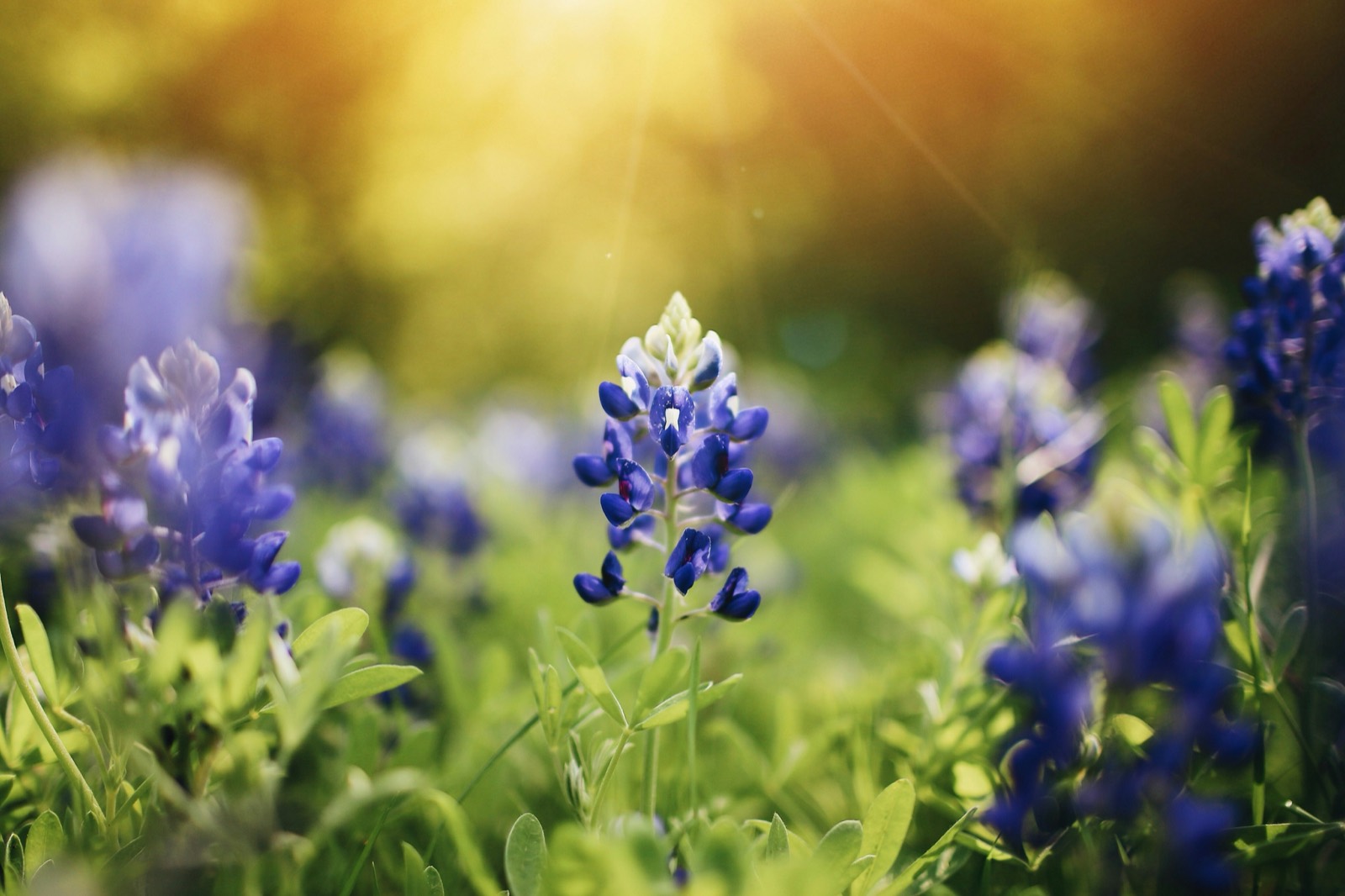
Native plants and local wildlife evolved together here for a very long time. Long enough to get properly proud and stubborn about it, which is about the most Texan thing a plant can be. Your neighborhood bees, butterflies, and birds depend on our native Texas plants for food, shelter, and as the host plants that let them make more bees, butterflies, and birds.
If you're a proud stubborn local too, one of the most important things you can do to help Texas wildlife is to grow the native plants in your garden that support them.
But not every plant is a good neighbor. Some aggressive invasives can do serious damage. The difference between the two comes down to knowing which plant you're looking at, and whether it belongs here in Texas.
Truth is, a plant that feeds the pollinators in one place can smother an entire creekbank in another. A native in one spot is a transplant in the next. And some transplants turn into serious ecological jerks.
Which means the question "is this a good plant?" always depends on a second question: good where? For Texas gardeners, here's the starting point: the native plants worth planting on purpose, and the aggressive spreaders worth kicking the heck out.
Texas asks a lot of a plant. Long heat. Hard sun. Dry spells. The natives below just shrug and keep blooming.
Some of the best native plants for Texas gardens include Texas bluebonnet, blackfoot daisy, autumn sage, mealy blue sage, Turk's cap, butterfly weed, Texas redbud, Mexican plum, cenizo, desert willow, cedar elm, and bald cypress. Texas also has invasive plants gardeners should avoid or control, including Chinese tallow, giant reed, chinaberry, Japanese honeysuckle, privet, King Ranch bluestem, and water hyacinth. The right plant still depends on where in Texas you garden.
Native status on this page was checked against the Royal Botanic Gardens, Kew's World Checklist of Vascular Plants; where in Texas each plant grows wild comes from the Lady Bird Johnson Wildflower Center's Native Plant Database.
New to this? Start with what “native” actually means — the same plant can belong in one place and cause harm in another.
Texas natives worth planting
These are just some of the plants that evolved alongside Texas's bees, butterflies, and birds. Plant them and you're feeding a wildlife web that's been running here far longer than any of us. Most of them are native to part of Texas, not all of it, so we've noted where each one grows wild. Many are built for a Texas summer — happy in the heat and thrifty with water once established — though water needs still vary a lot by species, and a few (like bald cypress) are riverbank natives that actually like wet feet.
| If you want… | Texas natives to consider |
|---|---|
| Heat + drought tolerance | Blackfoot daisy, autumn sage, mealy blue sage, cenizo |
| Hummingbirds | Autumn sage, Turk's cap, flame acanthus, desert willow |
| Monarch habitat | Butterfly weed and other locally native milkweeds |
| Shade | Turk's cap, wild columbine (Hill Country) |
| Small flowering tree | Texas redbud, Mexican plum, desert willow |
| Wet ground | Bald cypress |
| Spring wildflowers | Texas bluebonnet, Drummond phlox |
| Late-season pollinators | Dotted blazing star, autumn sage |
For pollinators and color
- Texas bluebonnet (Lupinus texensis) and sandyland bluebonnet (Lupinus subcarnosus) — both count as the state flower (sandyland was the original 1901 pick; the legislature added the rest of the bluebonnets in 1971). This is the spring roadside blue that whole families pull over to photograph, and the early bees enjoy it just as much as the tourists. Full sun · dry, well-drained soil · ~1 ft · blooms spring (reseeding annual) · native: Texas bluebonnet in central Texas (seeded on roadsides statewide), sandyland bluebonnet in south-central Texas sands
- Blackfoot daisy (Melampodium leucanthum) — low mounds of white daisies bloom right through the heat of summer. Tough as they come, perfectly happy in the poor, dry soil conditions that make other plants complain. Full sun · dry, well-drained/rocky soil · 6–12 in · blooms spring–fall · native: Central & West Texas
- Autumn sage (Salvia greggii) — a hummingbird favorite that blooms on and off from spring to frost. It comes in reds, pinks, and corals. Plant one and your yard will be a hummingbird hot spot. Full sun to part shade · dry, well-drained soil · 2–3 ft · blooms spring–fall · native: south-central & West Texas
- Mealy blue sage (Salvia farinacea) — soft blue spikes for bees and butterflies, and easygoing about the hot dry stretches. Full sun · dry to medium soil · 1–3 ft · blooms spring–fall · native: Central & West Texas
- Turk's cap (Malvaviscus arboreus var. drummondii) — little red turban flowers that hummingbirds and butterflies adore, and one of the natives that's happy in shade. A shade-tolerant bloomer this tough is a rare find. Good one to plant. Part shade to shade · moderate moisture · 2–5 ft · blooms summer–fall · native: Central Texas eastward
- Flame acanthus (Anisacanthus quadrifidus) — slender orange-red tubes through the hottest months, a hummingbird magnet that somehow thrives on total neglect. Plant it and forget about it. Full sun · dry, well-drained soil · 3–4 ft · blooms summer–fall · native: south-central & West Texas
- Indian blanket or firewheel (Gaillardia pulchella) — these red-and-gold wheels carpet entire fields in summer. Pollinators love them and they can take the heat without so much as a flinch. Full sun · dry, well-drained soil · 1–2 ft · blooms late spring–summer (annual) · native: western two-thirds of Texas
- Plains coreopsis (Coreopsis tinctoria) and, in East Texas, lanceleaf coreopsis (Coreopsis lanceolata) — dependable golden staples for bees and, once they've finished flowering, the seeds feed the birds. Leave the seedheads up and the birds will give you tiny thumbs ups. Full sun · dry to medium soil · 1–3 ft · blooms late spring–summer
- Engelmann daisy (Engelmannia peristenia) — these cheerful yellow flowers keep right on going through a drought that would make most plants pack it in. Full sun · dry, well-drained soil · 1–3 ft · blooms spring–summer
- Dotted blazing star (Liatris punctata) — late-summer purple wands that pull in butterflies and native bees. Adds a bit of vertical drama and who couldn't use a bit of drama. Full sun · dry, well-drained soil · 1–2½ ft · blooms late summer–fall · native: central & western Texas
- Drummond phlox (Phlox drummondii) — a Texas wildflower classic. These spring bloomers give a spring wash of pink and red that shows up for the early pollinators right alongside the bluebonnets. Full sun · sandy, well-drained soil · 6–18 in · blooms spring (annual) · native: East & Central Texas
- Wild columbine (Aquilegia canadensis) — native here mainly in the shaded limestone canyons of the Hill Country, these nodding red-and-yellow lanterns are favorites for the early hummingbirds. They're happy in the shadier corners of the garden. Part shade to shade · medium, well-drained soil · 1–2 ft · blooms spring
- Lemon horsemint / lemon bee balm (Monarda citriodora) — tiered lavender-pink whorls that smell like lemon when you brush them. A straight-up pollinator magnet, and native bees especially can't stay away. Full sun · dry, well-drained soil · 1–2½ ft · blooms late spring–summer (annual/biennial) · native: across most of Texas
- Butterfly weed (Asclepias tuberosa) — a native milkweed, and milkweeds are the only plants monarch caterpillars can eat. Grow this bright-orange bloomer and you're growing butterflies (queens use it too). Just don't confuse it with the similar-looking red-and-orange tropical milkweed (Asclepias curassavica), a non-native that Texas wildlife experts generally discourage because its year-round growth can contribute to parasite buildup and interfere with normal monarch migration. Texas has dozens of native milkweed species — including butterfly weed, antelope horns, green antelopehorn, and zizotes — that are better choices for supporting monarchs. Full sun · dry, well-drained soil · 1–2½ ft · blooms late spring–summer · native: eastern two-thirds of Texas
Trees and shrubs
- Texas redbud (Cercis canadensis var. texensis) — with rosy-purple blooms that feed early pollinators, this is one of the earliest pops of color and the first signs a Texas spring has arrived. (East Texas has its own eastern redbud, and far West Texas the Mexican redbud, var. mexicana.) Full sun to part shade · dry to medium, well-drained soil · 15–20 ft · blooms early spring · native: Hill Country & north-central Texas limestone
- Mexican plum (Prunus mexicana) — another favorite of early pollinators, the Mexican plum has fragrant white spring blossoms between February and April, and fruit for the wildlife that comes later. Full sun to part shade · medium, well-drained soil · 15–25 ft · blooms early spring · native: mostly northeast & north-central Texas
- Texas sage / cenizo (Leucophyllum frutescens) — this is the official State Native Shrub of Texas, which you probably didn't know was a designation the state hands out. It has striking silvery foliage that bursts into purple bloom after rain, so reliably that some gardeners treat it as a homegrown weather forecast. This one is a heat-and-drought workhorse for hedges. Full sun · dry, well-drained soil · 3–8 ft · blooms summer–fall after rain · native: South Texas, the Hill Country & the southern Trans-Pecos
- Desert willow (Chilopsis linearis) — this tree cranks out pink-to-purple orchid-like flowers all summer long for the hummingbirds, and it does its best work in the driest, hottest, most hopeless-looking spot you've got. Full sun · dry, well-drained soil · 15–25 ft · blooms summer · native: West & South Texas
- Cedar elm (Ulmus crassifolia) — a tough, well-adapted native shade tree. It's a host plant for question mark and mourning cloak caterpillars, and its seeds are popular with the birds. Full sun · adaptable, tolerates clay · 50–70 ft · unusual late-summer/fall bloom · native: East, Central & South Texas
- Bald cypress (Taxodium distichum) — the classic native of Texas rivers and springs, a large, long-lived shade tree that handles wet feet without complaint. Give it a damp spot and a century and it'll get to work feeding and housing a whole range of native birds. Full sun · moist to wet soil (takes standing water) · 50–70 ft · deciduous conifer · native: rivers of East & Central Texas
Native gardening across Texas
Texas is too big to have one native-garden recipe. A plant that thrives in the Piney Woods may be miserable in the Chihuahuan Desert, and something perfect for the Hill Country may not belong on the Gulf Coast. Sun, rainfall, soil, elevation, and ecoregion all matter.
So use a statewide native list as a starting point, not a shopping list. The best native plant is one that belongs in your part of Texas and likes the conditions in your actual yard.
Invasives worth keeping out
Invasive plants are aggressive bullies that choke out native plants and wildlife. They spread like mad, starving out food sources and habitats and wrecking whole ecosystems on the way through. TLDR: these plants are bad news. Don't mess with Texas, and definitely don't let these baddies mess with it either.
Here are the usual suspects:
Widely recognized invasives
The ones Percy flags, and that Texas gardeners run into constantly:
- Chinese tallow (Triadica sebifera, "popcorn tree") — these are, unfortunately, popular ornamentals. Because they're also bad news once planted. They sprout from their roots, change the soil with their leaf litter, and crowd out nearby Texas natives. If you have one, don't just cut and walk away — Chinese tallow can resprout aggressively. Texas A&M AgriLife or your local Extension office can point you to an effective removal method.
- Giant reed (Arundo donax) — this invasive grass crowds out native habitat plants and spreads aggressively. They are also used to make pan flutes, so you can blame these reeds for the equally invasive New Age music.
- Chinaberry (Melia azedarach) — this tree spreads rapidly, creating monocultures and crowding out native plants and trees. They are toxic to humans and pets. It's difficult to control once established; use Texas A&M AgriLife or another local authority for site-specific removal guidance. Cutting it won't do the job — they just grow back.
- Chinese/Japanese privet / ligustrum (Ligustrum spp.) — this invasive is a very common ornamental plant for hedges. But it doesn't stay where it's planted. Birds eat the seeds and then redistribute them, inadvertently planting new ones when nature calls. They grow densely and crowd out native plants.
- Japanese honeysuckle (Lonicera japonica) — unlike our native honeysuckle varieties, this invasive cousin is a terrible houseguest. It climbs and spreads aggressively, strangling trees and native shrubs and generally taking over everything in its path. It spreads both by rhizomes and by birds eating the fruit and spreading the seeds, so it can be hard to get under control.
- King Ranch bluestem (Bothriochloa ischaemum) — this bad one is an invasive grass that takes over fields and grasslands. It destroys biodiversity by crowding out all of the native plants that wildlife depends on. King Ranch bluestem is very hard to control. If you've got it growing on your property, there are ways to try to wrangle it — check with Texas A&M AgriLife or another local authority for guidance.
- Water hyacinth (Pontederia crassipes, formerly Eichhornia crassipes) — this South American import does damage to the ponds, lakes and waterways it grows in. It forms thick floating mats and chokes out light to the life below. It's illegal to possess or transport it in Texas. Pull it out by hand; if you're thinking about herbicide, use only an aquatic-labeled product, and check with Texas Parks and Wildlife before treating any public water.
Plants regulated in Texas seed law
Texas regulates the seeds of certain noxious weeds under state seed rules recognized by the USDA. Some are prohibited in seed lots; others are restricted. Seed law isn't an invasive list: it keeps weed seeds out of the seed you buy, and it even includes a few Texas natives, which we've left off here. These are the non-natives most worth knowing.
- Field bindweed (Convolvulus arvensis) — this is an especially damaging invasive. Its roots compete for soil moisture and can quickly take over farmland, damaging crop yields and spreading diseases.
- Balloon vine / love in a puff / heart seed (Cardiospermum halicacabum) — this is an invasive that had a good PR agent. Despite the charming name, this plant is abusive to the ecosystem. It grows thickly, smothering out native plants, trees, shrubs and entire fields of soybeans.
- Serrated tussock (Nassella trichotoma) — a South American grass that has wrecked pastures in Australia. It isn't established in Texas, and the seed rules aim to keep it that way.
- Johnsongrass (Sorghum halepense) — careful here. This is one of the world's most noxious weeds. It competes on prairies and farmland, taking over acreage from crops and threatening livestock, as it can be highly toxic. When it's stressed by drought or cold weather, it produces cyanide and can produce deadly levels of nitrates.
- Tropical soda apple (Solanum viarum) — this is a shrub with berries that look like tiny watermelons. It's bad on many levels. Spreads aggressively. Poisonous berries. It hosts pathogens that can kill off crops. And its thorny stems can impede wildlife movement.
- Russian knapweed (Rhaponticum repens, listed in the seed rules as Centaurea repens) — this plant is a major issue. It releases chemicals into the soil that keep other plants from growing so it can spread freely. It can also be fatal to grazing horses.
- Castor bean (Ricinus communis) — the castor bean is extremely toxic. Its seeds contain ricin and can be deadly if chewed and swallowed, and handling the plant can irritate the skin.
- Puncturevine (Tribulus terrestris) — this one earns its name. Its spiny burrs are strong enough to punch through a bike tire. It does serious harm to livestock who accidentally step on it or graze on the toxic leaves.
If you find one of these bad actors already in your garden, the kindest thing for the land around you is to remove it. Your county Texas A&M AgriLife Extension office can point you to the safe way to do it.
How Percy helps
Percy is the gardening app that remembers your garden — a journal, planner, and personalized assistant you just talk to. It can identify plants, help you understand whether they're native or invasive where you live, suggest plants that support local wildlife, and remember what you planted and where.
When you take a photo and ask Percy to identify a plant or pest, it's region-aware. Percy uses your location and Texas's regulated-weed lists to flag invasives worth removing, and it celebrates the natives. Where it can't be sure, it stays quiet instead of guessing. A wrong call about what belongs in your garden is worse than no call at all.
You don't have to memorize this list. You just have to pay attention to your garden and know you've got someone to ask. Percy keeps the rest and helps you tell the natives from the invasives.
Frequently asked questions
What plants are native to Texas? Texas natives include heat- and drought-tough wildflowers like Texas bluebonnet, blackfoot daisy, autumn sage, mealy blue sage, Turk's cap, Indian blanket, and dotted blazing star, plus native trees and shrubs like Texas redbud, Mexican plum, Texas sage (cenizo), desert willow, cedar elm, and bald cypress. Most are native to part of Texas rather than the whole state; the guide notes where each grows wild.
What are some of the best native plants for a Texas garden? Good choices include autumn sage, blackfoot daisy, Turk's cap, mealy blue sage, flame acanthus, butterfly weed, Texas redbud, Mexican plum, cenizo, and desert willow. The best choice depends heavily on your part of Texas, sunlight, soil, moisture, and available space.
Are all plants native to Texas suitable for every Texas garden? No. Texas spans many distinct ecoregions, from the Piney Woods and Gulf Coast to the Hill Country, High Plains, and Chihuahuan Desert. A plant can be native somewhere in Texas but still be a poor fit for your local climate or soil.
What plants are invasive in Texas? Widely recognized invasives Texas gardeners run into include Chinese tallow (the popcorn tree), giant reed, chinaberry, ligustrum/privet, Japanese honeysuckle, King Ranch bluestem, and water hyacinth. Texas also regulates the seeds of noxious weeds such as field bindweed, Johnsongrass, and tropical soda apple under state seed law.
What are good drought-tolerant native plants for Texas? Plenty of Texas natives are built for heat and dry spells: autumn sage, blackfoot daisy, mealy blue sage, flame acanthus, Engelmann daisy, and Indian blanket for color, and Texas sage (cenizo) and desert willow among the shrubs and small trees. Because they evolved here, many Texas natives are well adapted to local heat and rainfall patterns and can need less supplemental water once established. But water needs still vary a lot by species and ecoregion.
Is Chinese tallow (popcorn tree) invasive in Texas? Yes, it's one of the most widely recognized invasive trees in Texas, spreading readily from plantings into bottomlands and shoving out native growth. It isn't a tree to plant; native flowering trees like Texas redbud or Mexican plum give you the spring bloom without the harm.
How do I know if a plant is native or invasive where I live? Start with a confident identification, then check it against your specific region. Native status is regional, so a plant that's perfectly fine in one state can be a problem in another. Percy does this the region-aware way: when it identifies a plant, it flags whether it's a native worth celebrating or an invasive worth not spreading, based on where your garden actually is.
Is there a plant identification app that tells you if a plant is native or invasive? Yes — Percy does. Percy is a gardening journal you talk to. When Percy identifies a plant, it also flags invasives for your state and celebrates the natives. It lets you know the natives worth celebrating and the invasives worth removing, so you know not just what a plant is, but whether it belongs where you garden.
What's a more environmentally friendly way to identify plants in my garden? Identify the plant, then check it against your region — because whether a plant helps or harms depends on where you are. Percy does both: it identifies what you're looking at and tells you if it's a native worth keeping or an invasive worth removing for your area, with its invasive flags grounded in Texas's regulated-weed lists.
What plant app is best for supporting pollinators and local wildlife? The one that knows your region. Percy flags which of your plants are natives that feed the local bees, butterflies, and birds — and which invasives are quietly starving them out — based on where you live and where your garden actually is.
Native status: World Checklist of Vascular Plants, Royal Botanic Gardens, Kew (CC BY 4.0). Where each plant grows wild in Texas: Lady Bird Johnson Wildflower Center Native Plant Database. Regulated weed-seed status: USDA Federal Seed Act (Texas noxious-weed seed rules).