Native plant guides
Illinois
Illinois native plants, and the invasives to kick out
Illinois native plants worth growing, from purple coneflower to bur oak, plus invasives to avoid in IL like buckthorn, bush honeysuckle and garlic mustard.
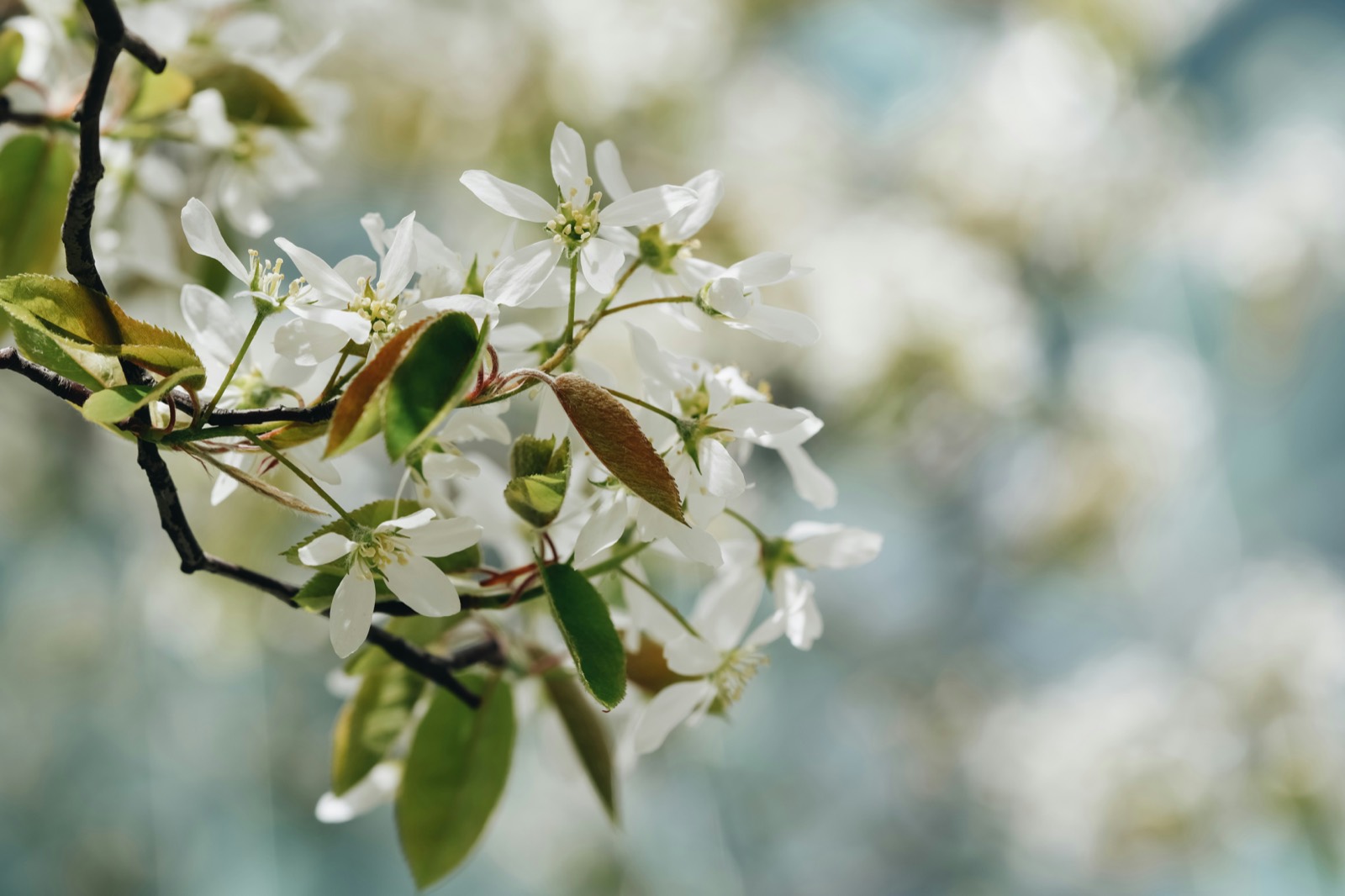
Native plants and local wildlife evolved together here in Illinois for thousands of years — long before anyone started arguing about pizza.
What's not up for debate is that your neighborhood bugs, birds and critters depend on native Illinois plants for food and shelter. These plants are vital hosts that help them survive and make more bugs, birds and critters.
As a gardener, one of the most important things you can do to help local wildlife is to grow Illinois native plants.
But not every plant helps. There are some aggressive invasives (even some sold at garden centers) that can do serious ecological damage.
Truth is, a plant that feeds monarchs in Chicago can overrun entire meadows in Hungary. A native in one place is a transplant in another. And some transplants can turn into serious environmental bad guys.
Which means the question of "is this a good plant?" always depends on a second question: good where?
For Illinois gardeners, here's the starting point: the native plants worth planting on purpose, and the aggressive spreaders worth kicking out of town.
Some of the best native plants for Illinois gardens include purple coneflower, butterfly weed, wild bergamot, prairie blazing star, cardinal flower, serviceberry, white oak and bur oak. Illinois also bans buying, selling or planting invasive plants including common buckthorn, bush honeysuckle, garlic mustard, Japanese knotweed and multiflora rose, and Callery pear joins that ban in 2028. What counts as native or invasive is regional, so the right answer depends on where you garden.
How this list was checked: Illinois nativity and distribution were checked against Illinois Wildflowers’ species range records, with Kew’s World Checklist of Vascular Plants used as an additional taxonomy/range source. Illinois threatened and endangered status was checked against the state’s current list. Invasive status comes from the current Illinois Exotic Weeds Act and IDNR regulations. Plant ranges and regulations can change, so this page is periodically rechecked.
For most Illinois gardens, a strong native starter palette is butterfly weed, wild bergamot, prairie blazing star, golden alexanders, woodland phlox, New Jersey tea, serviceberry and one of Illinois’ native oaks. Choose from that list based on your part of the state and the sun, moisture and space in your yard.
New to this? Start with what "native" actually means — the same plant can belong in one place and cause harm in another.
Illinois natives worth planting
These are just some of the plants that have evolved alongside Illinois's bees, butterflies, and birds. When you plant them in your garden, you're helping out an entire ecosystem. And in the Prairie State, a lot of them are the prairie originals.
| If you want… | Illinois native plants to consider |
|---|---|
| Pollinators / Monarchs | Purple coneflower, butterfly weed, wild bergamot, prairie blazing star |
| Hummingbirds | Cardinal flower, wild columbine |
| Shade | Woodland phlox, spicebush |
| Wet areas | Buttonbush, cardinal flower |
| Small native tree | Serviceberry, redbud, flowering dogwood |
| Maximum wildlife value | White oak, bur oak |
For pollinators and color
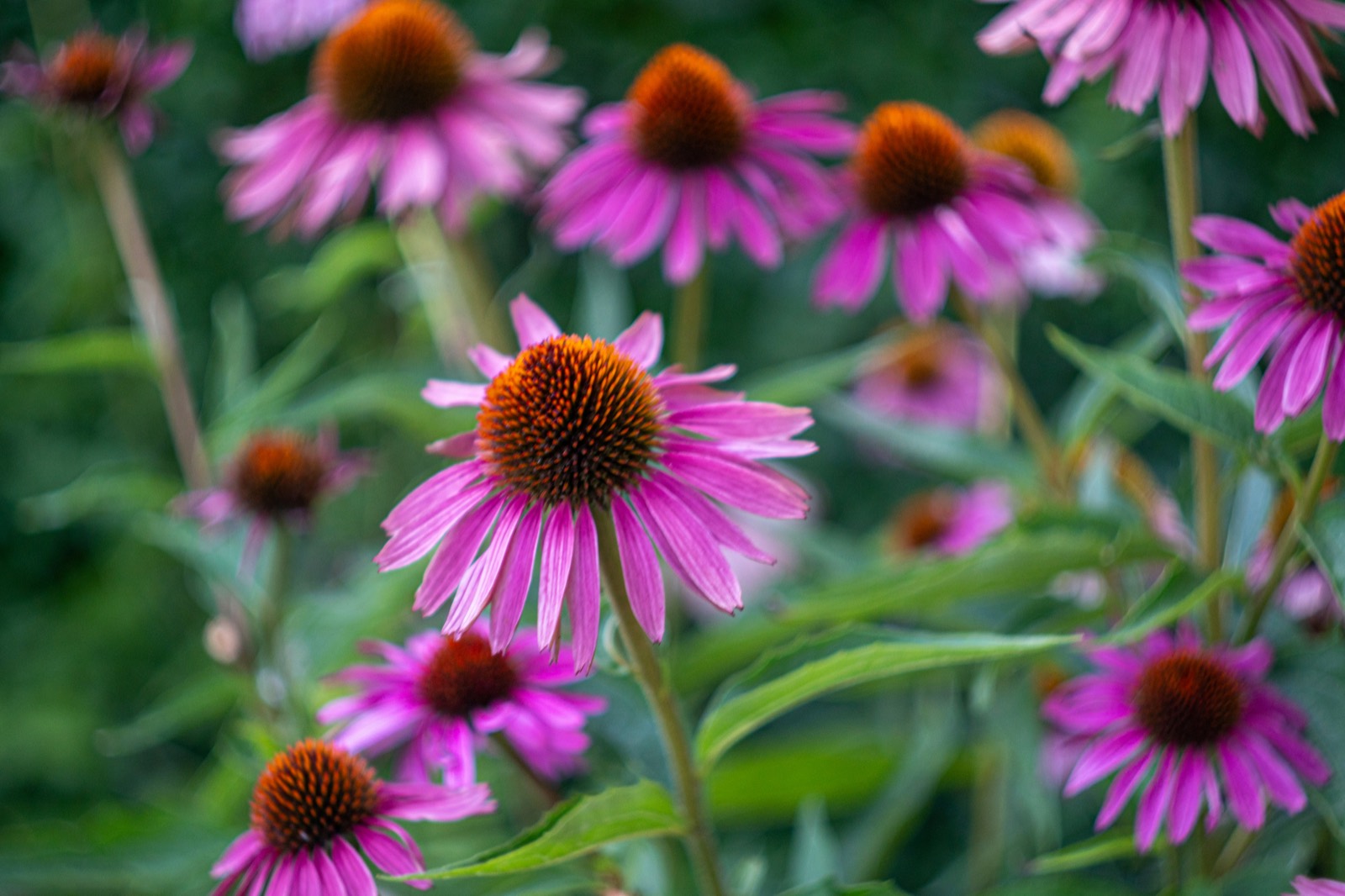
- Purple coneflower (Echinacea purpurea) — one of the best-known Illinois prairie natives. They’re a favorite for pollinators while they’re blooming and help feed the songbirds after they’ve gone to seed. Full sun to part sun · dry to medium soil · 2–4 ft · blooms summer
- Butterfly weed (Asclepias tuberosa) and common milkweed (Asclepias syriaca) — Monarch caterpillars can only eat milkweeds, so planting locally native milkweed species means planting habitat for monarchs. If you're growing these in your garden, you're growing butterflies. Full sun · butterfly weed: dry, lean soil, 1–2½ ft · common milkweed: average soil, spreads by rhizome, 3–5 ft · bloom early–mid summer
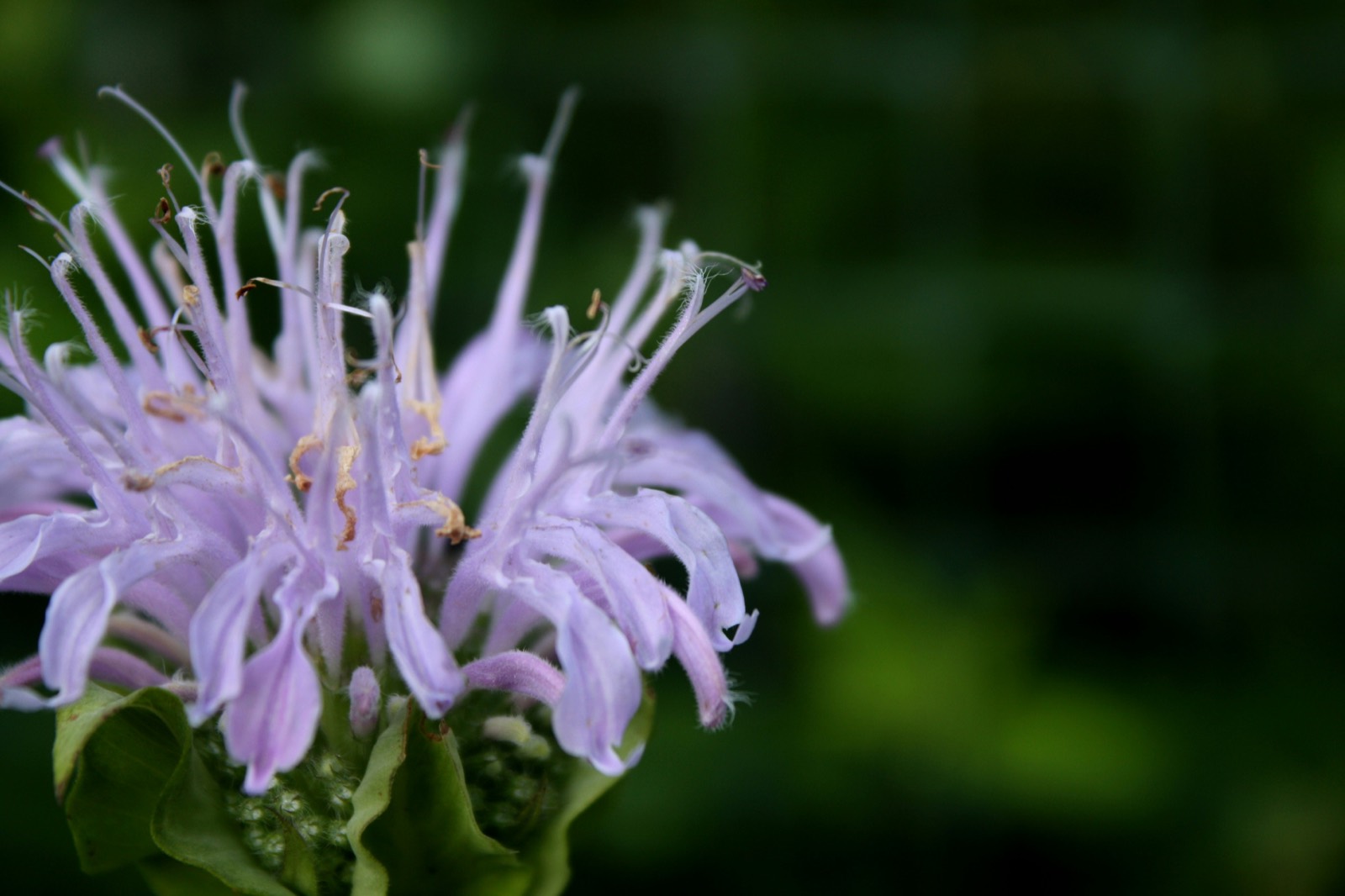
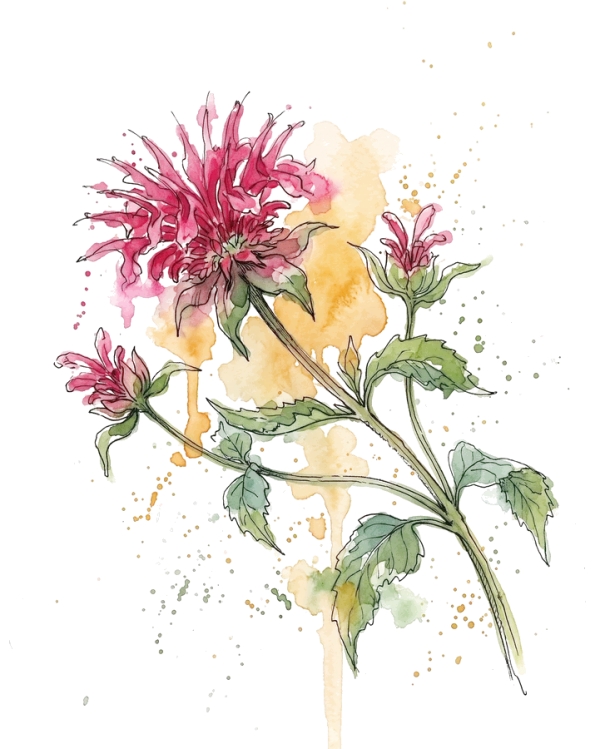
- Wild bergamot / bee balm (Monarda fistulosa) — a pollinator magnet with lavender blooms. This one will make your garden a popular one with the beneficials. Full sun to part shade · dry to medium soil · 2–4 ft · blooms mid-summer
- Black-eyed Susan (Rudbeckia hirta) and lanceleaf coreopsis (Coreopsis lanceolata) bring a pop of sunshine to your garden in mid-summer. Pollinators love them. Full sun · dry to medium soil · 1–3 ft · bloom early summer into fall
- New England aster (Symphyotrichum novae-angliae) and Canada goldenrod (Solidago canadensis) — these two are important late-season food sources for pollinators. When most other flowers are tapped out for the season, these two help your Very Hungry pollinators make it through the autumn. Full sun · medium to moist soil · 3–6 ft · bloom late summer into fall · Canada goldenrod spreads readily
- Prairie blazing star (Liatris pycnostachya) — Blazing star adds shape to your garden with striking vertical purple spikes in mid-summer. They're a magnet for monarchs and other butterflies. Goldfinches love the seedheads after they're done flowering. Full sun · medium to moist soil · 3–5 ft · blooms mid-summer
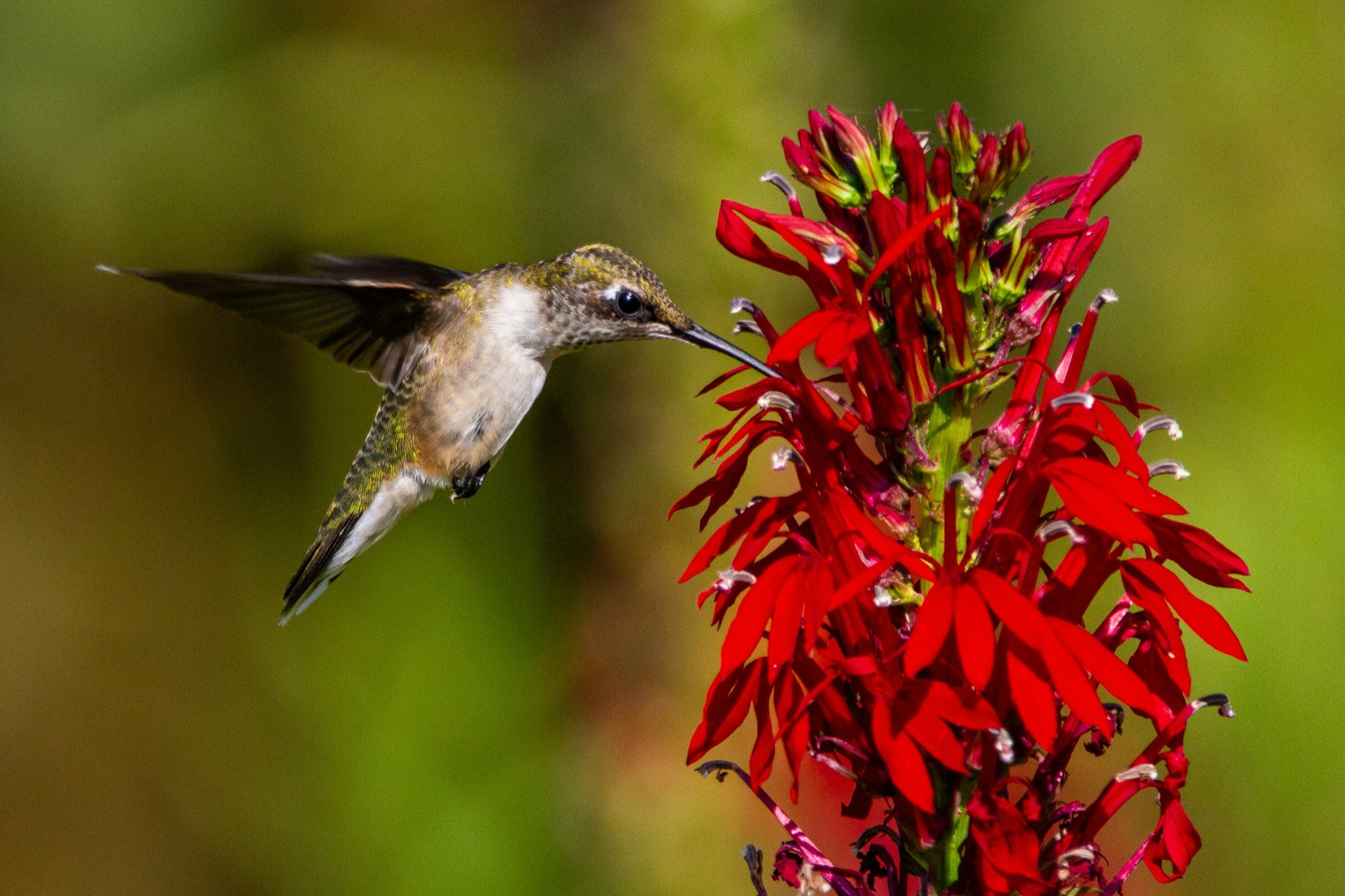
- Cardinal flower (Lobelia cardinalis) — hummingbirds go gonzo for the electric-scarlet spikes in late summer. Keep it in a damp spot or a rain garden, sit back and enjoy the show. Full sun to part shade · moist to wet soil · 2–4 ft · blooms late summer
- Wild columbine (Aquilegia canadensis) — Another hummingbird favorite, these nodding red-and-yellow bells come out in spring, just in time to welcome the ruby-throated hummingbirds back into town. They're happy in part shade and rocky spots. Part shade · dry to medium, well-drained soil · 1–2 ft · blooms spring
- Foxglove beardtongue (Penstemon digitalis) — With a name that sounds like a news reporter, this one forms spires with a cluster of blooms at the top. It hums with bees in early summer who love climbing into the little white tubular flowers. It forms a tidy clump and adapts well to almost any bed. Full sun to part shade · medium to moist soil · 2–3 ft · blooms early summer
- Sweet Joe-Pye weed (Eutrochium purpureum) — Joe-Pye weed is a back-of-the-border giant, topped with dusky-mauve flowerheads that butterflies swarm in late summer. Full sun to part shade · medium to moist soil · 4–7 ft · blooms mid-to-late summer
- Woodland phlox (Phlox divaricata) — Woodland phlox is an important snack in early spring for butterflies and long-tongued bees looking for nectar. It's a good choice for shady areas and forms low, fragrant drifts of lavender-blue flowers. Part to full shade · medium, humusy soil · ~1 ft · blooms spring
- Golden alexanders (Zizia aurea) — Golden alexanders form flat gold umbels in late spring that bees and other pollinators love to comb through. It's an early nectar source and the host plant for black swallowtail caterpillars. Full sun to part shade · medium to moist soil · 1–2½ ft · blooms late spring
Trees and shrubs
Small trees & understory
- Flowering dogwood (Cornus florida) and eastern redbud (Cercis canadensis) — these showy understory bloomers light up an Illinois spring. Flowering dogwood is native mainly to southern Illinois, while eastern redbud reaches farther north into central Illinois. In northern Illinois, serviceberry is the surer native choice. Part shade to full sun · medium, well-drained soil · 15–30 ft · bloom spring
- Serviceberry (Amelanchier arborea) — This is one of the best small trees you can grow in a garden: white spring flowers, fiery fall colors and berries in June that the birds can't get enough of. Full sun to part shade · medium, well-drained soil · 15–25 ft · blooms early spring
- Witch hazel (Hamamelis virginiana) — this one blooms when everything else is winding down, with spidery yellow flowers in late fall, just as the leaves are coming down. Part shade to full sun · medium to moist soil · 15–20 ft · blooms late fall
Shade & canopy trees
- White oak (Quercus alba) — if you have room for one major wildlife tree, native oaks are hard to beat for how much wildlife they support. Full sun · medium, well-drained soil · 50–80 ft · long-lived shade tree
- Bur oak (Quercus macrocarpa) — the prairie's own oak. Its thick, corky bark let it shrug off the prairie fires that kept other trees out, and its big fringed acorns feed everything from blue jays to deer. Full sun · dry to moist, adaptable soil · 60–80 ft · long-lived, wide-spreading shade tree
- American basswood (Tilia americana) — When bees spot this shade tree in bloom they make a bee-line (Sorry. Couldn't resist.). In full bloom it practically hums with happy bees. Full sun to part shade · medium to moist soil · 50–80 ft · blooms early summer
Shrubs
- Spicebush (Lindera benzoin) — This aromatic understory shrub is the host for spicebush swallowtails. Thrushes love snagging the red berries it puts out in fall. Part shade · medium to moist soil · 6–12 ft · blooms early spring
- Buttonbush (Cephalanthus occidentalis) — Buttonbush makes pincushion globes of white flowers that pollinators mob like a crowd on Black Friday. It's happy in the wet spots nothing else wants. Full sun to part shade · moist to wet soil (takes standing water) · 6–12 ft · blooms summer
- New Jersey tea (Ceanothus americanus) — a small prairie shrub with frothy white flower clusters that draw a crowd of small bees, wasps and butterflies in early summer. Its deep roots make it tough as nails in dry spots once it settles in. Full sun to part shade · dry, well-drained soil · 2–3 ft · blooms early summer
Native gardening across Illinois
Illinois has varied growing conditions. The glaciated north around Chicago is cooler and snowier, the central Grand Prairie has some of the state’s deepest, darkest prairie soils, and the Shawnee Hills of the south are warmer, wetter and more rugged, with a longer growing season. A plant can be native to Illinois and still be a poor fit for the particular sun, moisture, soil, and space in your yard.
So use the list above as a starting point, not a shopping list. The best native plant is one that both belongs in your region and actually likes the conditions you can give it. If a particular plant is a Cubs fan it may only grow well on the North Side.
Invasive plants Illinois gardeners should avoid
Invasive plants can spread aggressively into natural areas, displace native vegetation and change the food and habitat available to wildlife. In Illinois, some are serious enough that the state bans selling and planting them. TLDR: these plants are bad news.
Here are the usual suspects:
Plants regulated under the Illinois Exotic Weeds Act
Under the Exotic Weeds Act, it's illegal to buy, sell, distribute or plant these in Illinois without a permit. The law doesn't require you to remove ones already growing on your property, but they keep spreading whether the law says so or not.
In 2025 Illinois expanded the list by nine species. Eight, including garlic mustard, tree-of-heaven and Japanese stiltgrass, became regulated immediately; Callery pear was given a phase-out period and becomes regulated January 1, 2028.
- Common buckthorn (Rhamnus cathartica) and glossy buckthorn (Frangula alnus) — the buckthorns leaf out early and hold their leaves late, hogging the light on both ends of the season. Birds eat the berries, so the seeds travel far and fast.
- Bush honeysuckles (Lonicera maackii, L. morrowii and L. tatarica) — the shrubs that leaf out first in spring and crowd Illinois woodland edges with a dense understory nothing native can grow under. Birds eat the berries, but dense honeysuckle thickets replace the native shrubs and insects that support a much richer food web.
- Japanese honeysuckle (Lonicera japonica) — the vining cousin, sweet-smelling and pretty, and a serious problem loose: it twines over and smothers native shrubs and young trees.
- Garlic mustard (Alliaria petiolata) — this stinky thug crowds other plants out by spreading a carpet of garlic-smelling weeds. Small patches can be hand-pulled when the soil is moist, but remove them before they go to seed and bag flowering plants so you don’t help them spread.
- Japanese knotweed (Reynoutria japonica) — Japanese knotweed is one of the worst. It spreads aggressively by underground rhizomes, can exploit cracks and disturbed ground, and is notoriously hard to get rid of. If it's growing in your yard, this is one you'll want to contact your University of Illinois Extension office about to learn how to deal with it.
- Multiflora rose (Rosa multiflora) — with clusters of white flowers, this one is a serious menace. It can regrow from seeds or stems and, like the other invasives on the list, chokes out native plants wherever it goes.
- Autumn olive (Elaeagnus umbellata) — once planted for wildlife and erosion control, it spreads aggressively by seed and fixes nitrogen, which can alter nutrient-poor soils and give it an advantage over native plants adapted to those conditions.
- Oriental bittersweet (Celastrus orbiculatus) — this vine is easy to spot in autumn because it makes red/orange fruit. You'll often see it on the sides of roadways, blanketing trees and choking out everything it can climb. The sheer weight can cause trees to uproot.
- Japanese stiltgrass (Microstegium vimineum) — a delicate-looking annual grass that carpets shady trailsides and floodplains, then collapses into a smothering thatch nothing native can push through.
- Lesser celandine (Ficaria verna) — sold for years as a cheerful spring groundcover, it carpets floodplain woods in early spring and smothers the native spring wildflowers before they get a chance.
- Purple loosestrife (Lythrum salicaria) — don't be fooled by their attractive purple flowering spires. They are lipstick on a very, very bad pig. Purple loosestrife can form dense stands in wetlands and displace native wetland vegetation.
- Kudzu (Pueraria montana) — "the vine that ate the South" has crept north into Illinois. It grows fast enough to bury whole fencerows, sheds and small trees under a blanket of leaves.
- Tree-of-heaven (Ailanthus altissima) — a fast, foul-smelling tree that readily resprouts from roots and stumps, which is why simply cutting it down can make the problem worse. It’s also one of the preferred hosts of the spotted lanternfly, which was first documented in Illinois in 2023.
- Callery / Bradford pear (Pyrus calleryana) — introduced in the mid-20th century as a popular spring flowering tree. We've been regretting it ever since. It spreads aggressively through birds eating the fruit and poop-planting new trees wherever they go. Illinois has added it to the Exotic Weeds Act, with the ban taking effect January 1, 2028 so nurseries can sell down their stock. On the bright side, this is one of the more satisfying invasives to take out. Just know a cut stump resprouts, so ask your University of Illinois Extension office about finishing the job.
- Poison hemlock (Conium maculatum) and giant hogweed (Heracleum mantegazzianum) — two members of the carrot family with a nasty streak. Poison hemlock is toxic if ingested; giant hogweed's sap can cause burns, blisters and scarring. ID them, but don't just yank either one — follow the recommended removal techniques.
Safety note: Giant hogweed and poison hemlock can burn or poison people and animals. Confirm identification and follow Illinois/Extension guidance rather than handling them casually.
If you find one of these invasives already in the garden, the kindest thing for the land around you is to remove it. Your county University of Illinois Extension office can point you to the safe way.
Illinois native plant and invasive species resources
A few authoritative places to dig deeper:
- Illinois Department of Natural Resources (IDNR) — the Exotic Weeds Act list, plus native plant and invasive species information for Illinois landscapes and natural areas.
- University of Illinois Extension — the state's invasive-plant regulations in one place, and region-specific planting and safe-removal guidance from your county office.
- Illinois Native Plant Society — a list of nurseries that sell native plants and a calendar of native plant sales across the state.
- Royal Botanic Gardens, Kew — World Checklist of Vascular Plants (WCVP) — the taxonomy and native-range source behind this page.
How Percy helps
Percy is the garden journal that remembers, so you can enjoy your garden. It's also a planner and a personalized assistant, and you just talk to it. It can identify plants, help you understand whether they're native or invasive where you live, suggest plants that support local wildlife, and remember what you planted and where.
When Percy identifies a plant or pest, it's region-aware. It knows that a plant can be a welcome native in one region and an aggressive invasive in another — so the same plant that earns a celebration in one garden earns a "get the gloves on" in another. It encourages environmentally responsible gardening by flagging invasive plants worth paying attention to, celebrating locally native plants, and helping you understand what the status means and what to do next.
You don't have to memorize any of this list. You just have to notice your garden and know you've got someone to ask. Percy keeps the rest and helps you tell natives from invasives.
Frequently asked questions
What plants are native to Illinois? Illinois natives include prairie and woodland wildflowers like purple coneflower, butterfly weed, wild bergamot, black-eyed Susan, cardinal flower and prairie blazing star, plus native trees like white oak, bur oak, serviceberry and eastern redbud. Native ranges here are checked against Illinois range records and the World Checklist of Vascular Plants (Kew).
What are some of the best native plants for an Illinois garden? Good choices include purple coneflower, butterfly weed, wild bergamot, prairie blazing star, cardinal flower, woodland phlox, spicebush, serviceberry, white oak and bur oak. The best choice for a particular garden depends on sun, soil moisture, available space, and what wildlife you hope to support.
What native plants are best for Illinois pollinators? Good Illinois-native choices for pollinators include purple coneflower, butterfly weed, wild bergamot, golden alexanders, prairie blazing star, New England aster and native goldenrods. The best combination is one that provides blooms from spring through fall and matches the sun and moisture conditions in your garden.
Are all plants native to Illinois suitable for every Illinois garden? No. A plant can be native to Illinois but still prefer conditions your particular garden doesn't have — glaciated northern Illinois, the central prairie and the southern Shawnee Hills are very different places to garden. Some natives, like flowering dogwood, only grow wild in the southern half of the state. Sun, soil moisture, drainage, mature size and local conditions all matter.
What native plants grow well in Chicago? Good native choices for Chicago-area gardens include butterfly weed, wild bergamot, prairie blazing star, golden alexanders, wild columbine, woodland phlox, New Jersey tea, serviceberry, bur oak and white oak. Match the plant to your actual conditions: Chicago-area gardens can range from dry, sunny prairie-like sites to shady, heavier soils, so “native to Illinois” is only the first filter.
What are the best Illinois native plants for shade? Good Illinois natives for shade and part shade include woodland phlox, wild columbine, spicebush, serviceberry and witch hazel. For wet part shade, cardinal flower and buttonbush can work well where the soil stays consistently moist. The best choice depends on how much sun the site gets and whether the soil is dry, average or wet.
What plants are invasive in Illinois? Illinois bans selling and planting dozens under the Exotic Weeds Act, including common and glossy buckthorn, bush and Japanese honeysuckle, garlic mustard, Japanese knotweed, multiflora rose, autumn olive, Oriental bittersweet, Japanese stiltgrass, purple loosestrife, kudzu and tree-of-heaven. Callery pear joins the list on January 1, 2028.
Is Callery (Bradford) pear invasive in Illinois? Yes. Illinois has added Callery pear (Pyrus calleryana), including Bradford pear, to the Exotic Weeds Act. Starting January 1, 2028, it will be illegal to buy, sell, distribute or plant it in Illinois; trees already in the ground don't have to come out. Native flowering alternatives include serviceberry, eastern redbud and flowering dogwood.
How do I know if a plant is native or invasive where I live? Start with a confident identification, then check it against your specific region — status is regional, so a plant that's fine in one state can be a problem in another. Percy does this the region-aware way: when it identifies a plant, it flags invasives worth not spreading and celebrates the natives worth keeping.
Where can I buy native plants in Illinois? Start with the Illinois Native Plant Society, which keeps a list of nurseries that sell natives in Illinois and nearby, plus a calendar of native plant sales you can filter by location. Wild Ones chapters around the state hold spring sales too. Check a nursery's site before you drive out, since some on the list sell wholesale only. And wherever you shop, check the botanical name on the tag, and know whether you’re buying a straight species or a cultivar. Many native cultivars still support wildlife well, but strongly altered traits (especially double flowers or unusual leaf color) can sometimes reduce ecological value. If your goal is maximum habitat value, a locally appropriate straight species is a strong default.
Is there a plant identification app that tells you if a plant is native or invasive? Yes — Percy does. Percy is the garden journal that remembers. When Percy identifies a plant, it also flags invasives worth removing and celebrates the natives, so you know not just what a plant is, but whether it belongs where you garden.
What plant app is best for supporting pollinators and local wildlife? It depends on the job. Wildr Places helps you plan a native garden, iNaturalist and Seek identify what's already growing, and EDDMapS is where you report invasives you find. Percy is the garden journal that remembers: it identifies what's in your garden, flags invasives worth removing and celebrates the natives, right in the notes you keep all season. We compared them all in the best native plant and pollinator apps.
Native ranges: World Checklist of Vascular Plants, Royal Botanic Gardens, Kew (CC BY 4.0). Invasive-plant status: Illinois Exotic Weeds Act (Illinois Department of Natural Resources).
Enjoy your garden. Percy remembers it.
Free for your first growing season. Then $39/year as a Founding Member, locked in for as long as you stay subscribed. The price will rise as Percy grows. Yours won't. No credit card to start. Your data is yours regardless.